
Introduction

Garri is more than just a popular African food. For millions of people across Africa and African communities around the world, garri represents tradition, convenience, versatility, and a deep connection to home. Produced from cassava, garri has become one of the most recognised cassava-based food products in many African households. It can be enjoyed in different ways, prepared with a variety of meals, and stored for relatively long periods when properly processed and packaged.
As the global demand for authentic African food products continues to create opportunities for African food businesses, products such as garri are gaining greater attention among African grocery stores, food distributors, restaurants, families, and consumers interested in exploring African cuisine.
At Osuji Enterprise, we understand that food is not simply about satisfying hunger. Food connects people to memories, family, tradition, and culture. This is why our commitment is focused on sourcing and supplying quality African food products with careful attention to product handling and customer satisfaction.
If you have ever wondered about the benefits of garri, how garri is produced, the different ways it can be enjoyed, and why quality matters when buying garri, this article will provide useful information.
What Is Garri?
Garri is a granular food product made from cassava roots. Cassava is an important root crop cultivated in many tropical regions, particularly across Africa. The cassava roots go through several processing stages before becoming the dry, grain-like food product commonly known as garri.
Depending on the traditional processing method, location, and desired product type, cassava is peeled, washed, grated, fermented, pressed, sieved, and roasted. These stages help transform fresh cassava roots into garri.
The finished product generally has a dry, granular texture. Garri may differ in colour, texture, sourness, grain size, and taste depending on how it is processed.
In many African communities, garri is considered an important household food because it is versatile and convenient. Some people soak garri in water and add ingredients such as sugar, groundnuts, or milk. Others prepare garri with hot water to create a firm dough-like meal commonly eaten with soups and stews.
Its ability to fit into different meals has contributed greatly to its popularity.
For Africans living abroad, garri can also represent a familiar taste of home. Finding authentic African food products in countries such as the United Kingdom, United States, Canada, and Germany can help individuals and families maintain their food traditions while living far from Africa.
This growing connection between food, culture, and international communities is one reason businesses involved in African food supply and export continue to recognise the importance of products such as garri.
How Is Garri Produced?
sh. The grated cassava mash typically goes through fermentation and pressing processes. Proper cassava processing is especially important because raw cassava naturally contains cyanogenic compounds, and established processing methods help reduce these compounds.
The pressed cassava material is then broken down and sieved to achieve a suitable texture. It is finally roasted or fried in a wide pan while being continuously stirred.
The roasting stage requires attention and skill. The product must be properly handled to achieve the desired dryness and granular texture without excessive burning.
After roasting, the garri is cooled before packaging.
A simplified production process includes:
- Selection of cassava roots
- Peeling
- Washing
- Grating
- Fermentation
- Pressing
- Sieving
- Roasting
- Cooling
- Quality checking
- Packaging
- Storage
Each stage matters.
For commercial food supply, hygienic processing and proper packaging are particularly important. Consumers do not simply want food. They want products that have been carefully handled, properly packaged, and supplied by businesses that value quality.
At Osuji Enterprise, our vision for African food supply is centred on connecting customers with carefully sourced African food products while promoting responsible product handling and reliable service.
The Importance of Garri in African Food Culture
Garri has a special position in African food culture. In many communities, it is a familiar food that has been enjoyed across generations.
Parents know it. Grandparents know it. Students know it. Workers know it. Families living in cities and rural communities are familiar with it.
The importance of garri goes beyond its physical form as processed cassava. It is connected to everyday life and shared food experiences.
For some people, a bowl of soaked garri brings memories of school days. For others, garri served with a favourite soup reminds them of family gatherings and home cooking.
African food carries stories.
Every traditional ingredient has a history connected to farming, preparation methods, family recipes, and community practices. Garri is part of this wider African culinary heritage.
When authentic African food products reach international markets, they carry a part of African culture with them.
An African family living in London may prepare garri with a traditional soup. A student living in Canada may keep garri as a convenient food option. An African restaurant in Germany may serve a cassava-based swallow with traditional dishes. A grocery store in the United States may stock garri for customers searching for familiar African ingredients.
These examples demonstrate why African food supply is about more than commercial transactions.
It is also about accessibility.
At Osuji Enterprise, we believe African food products deserve greater visibility and accessibility in local and international markets. Our slogan, “Rooted in Africa, Going Global,” represents our desire to connect authentic African food products with a wider market.
Benefits of Garri
cted to its cassava origin, convenience, versatility, and cultural importance. However, it is important to discuss food benefits responsibly. Garri should not be presented as a magical food or a treatment for health conditions.
A balanced diet normally requires different food groups and nutrients.
With that understanding, here are some important reasons garri remains a valued food product.
1. Garri Is a Source of Carbohydrates
Garri is primarily a carbohydrate-rich food because it is produced from cassava.
Carbohydrates are an important source of energy in the diet. The human body uses carbohydrates as a major source of fuel for everyday activities.
This is one reason cassava-based foods are common staple foods in many communities. They can form the carbohydrate portion of a meal and be combined with other foods.
For example, garri prepared as a swallow may be served with soups containing vegetables, fish, meat, or other ingredients. The nutritional composition of the complete meal therefore depends on all the foods included.
Rather than viewing garri as a complete meal by itself in every situation, consumers can consider how it fits into an overall balanced eating pattern.
2. Garri Is Versatile
One of the greatest benefits of garri is its versatility.
The same food product can be enjoyed in several ways depending on personal preference and cultural tradition.
Garri can be soaked in water and combined with other ingredients. It can also be prepared with hot water and eaten with traditional African soups.
Depending on regional food traditions, garri may be paired with different soups and stews.
This versatility makes garri suitable for different households and food businesses.
African restaurants can include garri-based meals on their menus. Grocery stores can supply packaged garri to consumers. Families can keep garri as part of their regular food supplies.
A versatile food product provides consumers with more options, and this is one of the reasons garri has remained popular for generations.
3. Garri Is Convenient
Modern life can be busy.
Students attend classes. Professionals work long hours. Business owners manage demanding schedules. Parents balance work and family responsibilities.
Convenient food options can therefore be valuable.
Garri is widely appreciated because certain methods of enjoying it require relatively simple preparation. Soaked garri, for example, can be prepared quickly.
When making garri as a swallow, the preparation process is also familiar to many African households.
Convenience does not mean food quality should be ignored. Consumers should still pay attention to proper storage, cleanliness, packaging, and balanced meal choices.
However, the practical nature of garri contributes significantly to its popularity.
4. Garri Has Cultural Value
The value of food cannot always be measured only by its nutrient content.
Culture matters.
Tradition matters.
Identity matters.
For many Africans, eating familiar foods creates a sense of connection to home and family.
This can become particularly meaningful for people living abroad.
Imagine moving thousands of kilometres away from your home country. The weather is different. The language may be different. The daily lifestyle changes.
Then one day, you prepare a familiar African meal.
The smell, texture, and taste can bring back memories.
This emotional and cultural connection is one reason demand for authentic African food products exists across international markets.
Garri is part of that story.
At Osuji Enterprise, we are passionate about promoting African culinary heritage by helping connect authentic African food products with customers who value them.
5. Garri Can Be Combined With Different Foods
Garri does not have to be eaten alone.
When prepared as a swallow, it can be combined with a variety of traditional soups containing different ingredients.
Depending on personal preference and cultural tradition, meals may include vegetables, fish, meat, seeds, spices, and other ingredients.
When garri is soaked, some consumers add groundnuts, milk, or other accompaniments.
This flexibility allows individuals to create different food combinations.
Consumers who are paying attention to their overall diet should consider portion sizes and the complete nutritional composition of their meals.
A carbohydrate-rich food can be paired with sources of protein and vegetables as part of a varied diet.
Different Types of Garri
Not all garri looks or tastes exactly the same.
Different processing methods and regional preferences can produce variations in colour, texture, grain size, and flavour.
Two commonly recognised categories are white garri and yellow garri.
White Garri
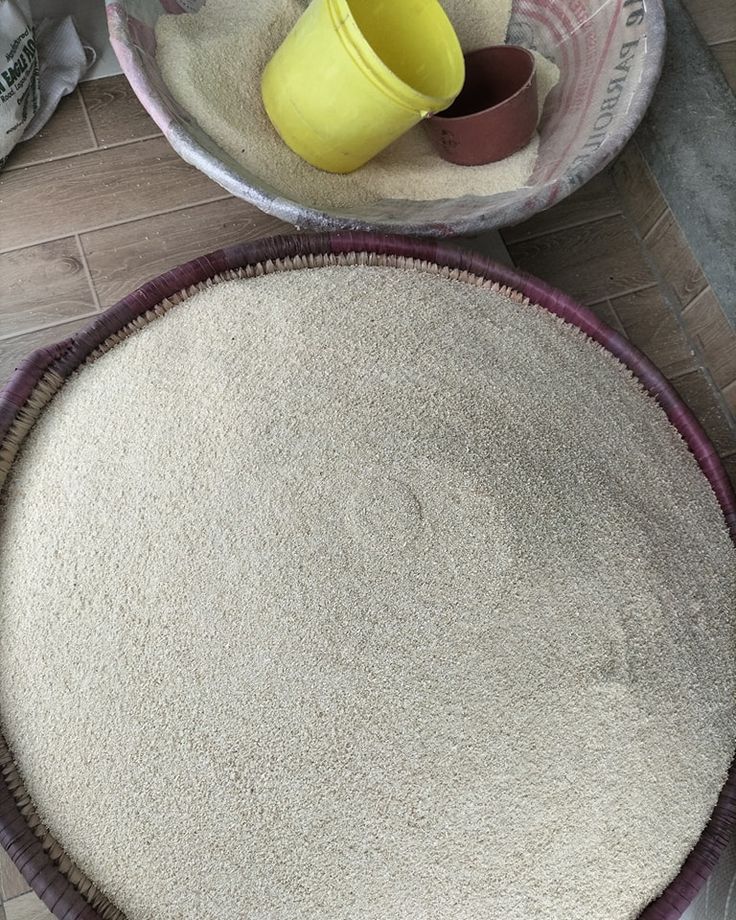
White garri generally maintains a light or white appearance after processing.
It is commonly used for soaking and preparing swallow meals, depending on personal preference.
The level of sourness can vary depending on fermentation and processing methods.
Some consumers prefer a more sour taste, while others prefer a milder product.
This is why food suppliers should understand their target customers.
Knowing customer preferences can help businesses source suitable products for specific markets.
Yellow Garri
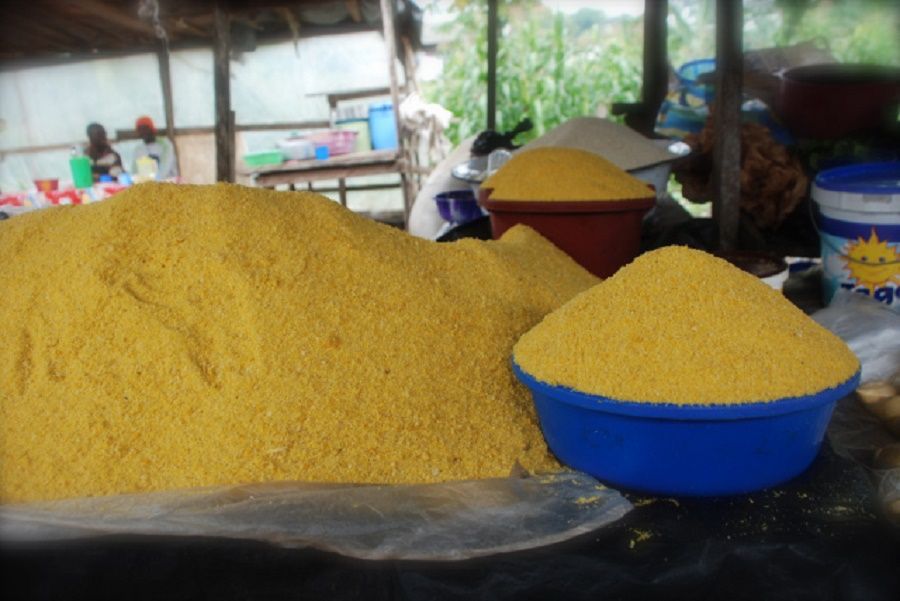
Yellow garri typically gets its colour from palm oil used during processing.
It is popular in various communities and has its own distinctive appearance and characteristics.
Some consumers specifically search for yellow garri because it is the type they grew up eating.
Others prefer white garri.
Neither preference should automatically be treated as superior. Food choices are often influenced by regional traditions, family habits, and personal taste.
For African food retailers and distributors, understanding these differences can help improve customer satisfaction.
Why Quality Matters When Buying Garri
When buying garri, price should not be the only consideration.
Quality matters.
Food products pass through several stages before reaching consumers. They may be harvested, processed, transported, stored, packaged, and distributed.
Poor handling at any stage can affect the final product.
Consumers and commercial buyers should therefore consider the appearance, packaging, storage conditions, and reliability of their supplier.
Quality garri should be carefully sourced and properly handled.
The product should be protected from excessive moisture because moisture can negatively affect dry food storage.
Packaging should also help protect the product from dirt and unwanted environmental exposure.
For wholesale buyers, consistency is especially important.
Imagine operating an African grocery store and receiving one supply of garri that customers love. You place another order, but the next product has a completely different texture and quality.
Customers may complain.
Some may stop buying.
This is why supplier reliability matters.
At Osuji Enterprise, our approach is based on developing responsible sourcing relationships and providing food supply solutions that prioritise careful product handling, communication, and customer satisfaction.
Proper Packaging of Garri
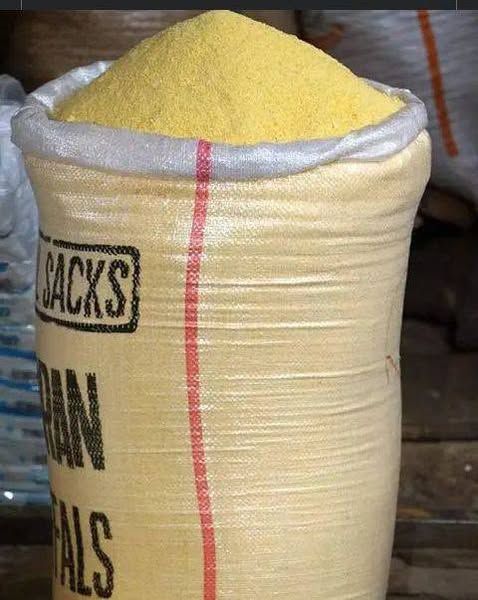
Packaging plays an important role in food supply.
A good package does more than make a product look attractive. It helps protect the food during handling, storage, and transportation.
For garri, protection from moisture is particularly important.
Dry food products should be stored under appropriate conditions and packaged using materials suitable for the intended food use and market.
For retail products, clear labelling also helps consumers understand what they are buying.
Depending on applicable regulations and the destination market, food labels may need information such as:
- Product name
- Net quantity
- Ingredient information
- Allergen information where applicable
- Business or responsible operator details
- Country of origin where required
- Storage instructions
- Date information where applicable
- Batch or lot identification
- Nutrition information where required
Food labelling requirements can differ between countries. Businesses exporting food should understand the regulations of each destination market rather than assuming that one label format is accepted everywhere.
At Osuji Enterprise, our long-term vision is to provide African food products suitable for modern local and international supply channels while respecting relevant quality and market requirements.
How to Store Garri Properly
Proper storage is essential for maintaining the quality of garri.
Garri should generally be kept in a dry environment and protected from moisture.
Once a package is opened, consumers should use a clean, dry container with a secure lid if the original package cannot be properly resealed.
Avoid using wet spoons or cups when taking garri from a storage container.
Why?
Introducing moisture into a dry food product can negatively affect its quality and storage condition.
Garri should also be protected from pests and unnecessary environmental exposure.
Basic storage practices include:
- Keep garri in a clean and dry place.
- Use clean, food-suitable storage containers.
- Close containers properly after use.
- Protect the product from moisture.
- Avoid direct contact with dirty surfaces.
- Follow the storage instructions provided on the product packaging.
- Check the product before consumption if it has been stored for an extended period.
Commercial food businesses should also maintain appropriate inventory practices.
Stock rotation can help businesses manage products efficiently. Businesses may use suitable inventory methods based on product date information and applicable food management procedures.
Good storage is part of responsible food handling.
Garri and the Global African Community
African communities are found across the world.
The United Kingdom, United States, Canada, Germany, France, and many other countries have consumers who purchase African food products.
Some consumers are Africans living abroad.
Others have African family connections.
Some are restaurants serving African cuisine.
There are also consumers interested in discovering new international foods.
This creates opportunities for African food products to gain greater global visibility.
However, opportunity must be matched with responsibility.
African food businesses seeking international growth need to pay attention to product quality, food safety, packaging, documentation, customer communication, and destination-market requirements.
Simply having a popular product is not enough.
International buyers may want consistency.
Retailers may require suitable packaging.
Importers may require specific documentation.
Customers expect products to arrive in good condition.
This is where professional food sourcing and supply businesses can create value.
Osuji Enterprise aims to contribute to this growing connection between African agricultural products and global markets.
We believe Africa has rich food traditions and agricultural resources that deserve greater recognition.
Our mission is not simply to move products from one location to another.
We want to build trust.
We want to promote authentic African foods.
We want to develop lasting supply relationships.
We want African products to reach wider markets with a strong commitment to quality and responsible service.
That is the meaning behind our vision: Rooted in Africa, Going Global.
Why African Grocery Stores Need Reliable Garri Suppliers
For African grocery stores, product availability can influence customer loyalty.
Customers often visit African food shops searching for specific ingredients they know and trust.
When a popular product is repeatedly unavailable, customers may look for another supplier or store.
Garri is a familiar staple product for many African consumers. Depending on the store’s target market, maintaining access to quality garri can be important.
A reliable garri supplier should focus on communication, product quality, consistency, packaging, and supply planning.
Wholesale buyers may also require different quantities from individual consumers.
A small household might purchase a retail pack.
A grocery store may require cartons or larger wholesale quantities.
A distributor may require a much larger supply arrangement.
This means food suppliers need to understand different customer categories.
At Osuji Enterprise, our service vision includes supporting households, retailers, wholesalers, restaurants, and distributors with African food supply solutions based on their needs.
For business enquiries and bulk orders, customers are encouraged to contact us directly to discuss product availability and supply requirements.
Why Restaurants Should Consider Quality Garri
African restaurants play an important role in promoting African cuisine.
For many international customers, their first experience with an African dish may happen in a restaurant.
The quality of ingredients used in food preparation can influence the overall customer experience.
Restaurants serving traditional soups with garri-based swallow meals need to consider the consistency and suitability of their food ingredients.
Reliable supply is also important.
A restaurant cannot comfortably promote a menu item if the key ingredients are constantly unavailable.
Working with dependable suppliers can help food businesses plan their inventory and maintain menu consistency.
As a business founded with an understanding of both African food and modern marketing, Osuji Enterprise recognises the importance of food presentation, customer experience, and business reliability.
We aim to build relationships with food businesses seeking authentic African products and dependable supply support.
Garri as Part of African Culinary Heritage
Every generation has a responsibility to preserve valuable aspects of its culture.
Food is one of the strongest ways culture is passed from one generation to another.
Recipes are taught.
Preparation methods are demonstrated.
Children learn the names of ingredients.
Families gather around meals.
Traditional foods become connected to important memories.
Garri is one of the products that forms part of this wider African food story.
As African communities become increasingly global, maintaining access to traditional ingredients helps culinary knowledge continue across borders.
A child growing up in Canada may learn how their parents prepare a traditional African soup.
A young African living in Germany may invite friends to experience an African meal.
A restaurant in the United Kingdom may introduce customers to cassava-based foods.
These moments help African culinary heritage reach new audiences.
At Osuji Enterprise, we want to be part of this journey.
By promoting African food products, we are also promoting the stories, agricultural knowledge, and food traditions connected to them.
Choosing a Garri Supplier
Whether you are buying garri for your household or business, choosing the right supplier is important.
Do not focus only on attractive advertising.
Ask practical questions.
Where is the product sourced?
How is it packaged?
What quantity is available?
Does the supplier communicate clearly?
Can the supplier handle bulk enquiries?
What information is provided about the product?
For commercial buyers, additional questions may be necessary depending on your market and regulatory responsibilities.
A professional supplier should be willing to communicate clearly about available products and supply arrangements.
At Osuji Enterprise, we believe business relationships should be built on communication, transparency, and a commitment to customer satisfaction.
We understand that every customer is different.
A household purchasing African food is different from a restaurant.
A restaurant has different requirements from a wholesaler.
A wholesaler may have different needs from an international distributor.
Our goal is to understand customer needs and develop suitable supply solutions.
Who Can Buy Garri From Osuji Enterprise?
Our African food supply services are designed to support different categories of customers.
These may include:
- Individual consumers and families
- African grocery stores
- Food retailers
- Wholesalers
- Restaurants
- Catering businesses
- Food distributors
- International buyers
- African food businesses
- Bulk-order customers
Whether you are searching for African food products for personal use or exploring wholesale supply opportunities, Osuji Enterprise welcomes genuine product and partnership enquiries.
Product availability, quantity, packaging, and delivery arrangements may depend on the specific order and destination.
Contact our team to discuss your needs.
Why Choose Osuji Enterprise for African Food Products?
At Osuji Enterprise, we are building a food supply and export business focused on African products and global market opportunities.
Our vision is simple: connect Africa’s rich food products with people and businesses that value authenticity and reliable service.
We focus on carefully sourced African food products, customer communication, product handling, and long-term business relationships.
Our product range includes garri, egusi, dried pepper, beans, groundnuts, plantain flour, spices, cocoa products, dried fish, crayfish, and other African food ingredients based on availability.
We understand the importance of quality.
We understand the importance of culture.
We understand the importance of trust in business.
Most importantly, we understand that customers want suppliers who listen to their needs.
Our aim is to continuously develop our sourcing, packaging, supply, and export processes as we connect African products with wider markets.
Buy Quality Garri and African Food Products From Osuji Enterprise
Are you searching for garri for your household, African grocery store, restaurant, wholesale business, or distribution network?
Osuji Enterprise is ready to discuss your African food supply needs.
We are passionate about connecting customers with authentic African food products while promoting Africa’s rich culinary heritage.
From garri and egusi to dried pepper, spices, plantain flour, and other traditional ingredients, our goal is to make African food products more accessible to customers and businesses.
Do not allow unreliable food supply to affect your home or business needs.
Connect with a food supply business focused on communication, quality, and growth.
Contact Osuji Enterprise today for product enquiries, bulk orders, wholesale supply discussions, and international business enquiries.
Frequently Asked Questions About Garri
What is garri made from?
Garri is made from cassava roots. The cassava goes through processing stages that may include peeling, washing, grating, fermentation, pressing, sieving, and roasting.
Is garri an African food?
Garri is widely consumed in several African countries and is strongly associated with West and Central African food traditions.
Can garri be eaten with water?
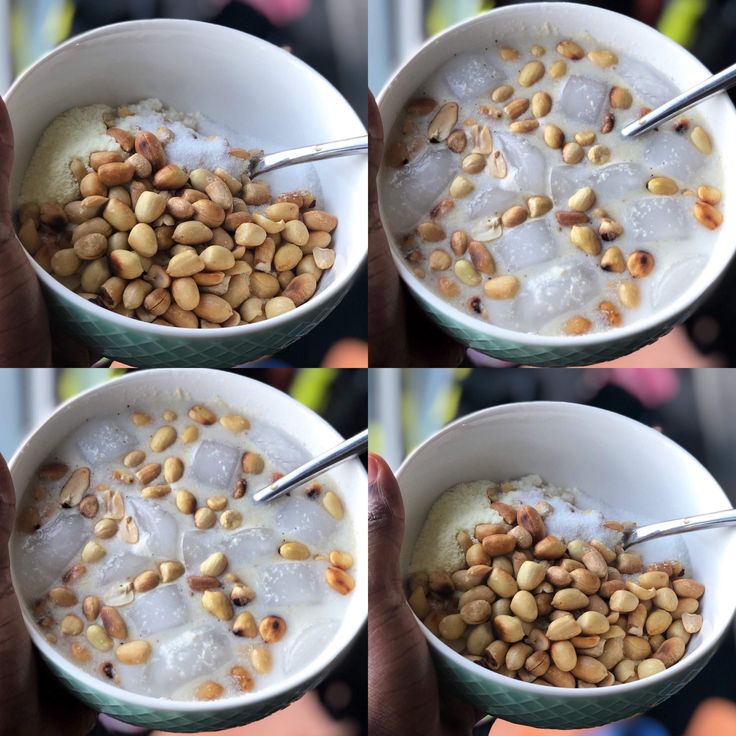
Yes. Many people enjoy garri soaked in water. Ingredients such as groundnuts, milk, or sugar may be added based on individual preference.
Can garri be prepared as a swallow?
Yes. Garri can be prepared with hot water to create a firm meal commonly served with African soups and stews.
How should garri be stored?
Garri should be protected from moisture and stored according to the instructions on its packaging. After opening, keeping it in a clean, dry, securely closed food-suitable container can help protect the product.
Does Osuji Enterprise supply garri in bulk?
Osuji Enterprise welcomes bulk and wholesale food supply enquiries. Customers should contact us to discuss current product availability, quantities, packaging requirements, and delivery arrangements.
Can African grocery stores contact Osuji Enterprise?
Yes. African grocery stores, retailers, restaurants, wholesalers, and distributors can contact Osuji Enterprise for food supply and business enquiries.
Does Osuji Enterprise supply other African foods?
Yes. Our product focus includes garri, egusi, dried pepper, beans, groundnuts, plantain flour, spices, cocoa products, dried fish, crayfish, and other African food products based on availability.
Conclusion
Garri is more than processed cassava. It is a widely recognised African food product connected to culture, tradition, convenience, and everyday meals.
Its versatility allows it to be enjoyed in different ways, while its cultural importance has helped it remain relevant across generations.
As African communities continue to grow around the world, the demand for familiar and authentic food products creates opportunities for African food suppliers, grocery stores, restaurants, and distributors.
However, quality sourcing, responsible processing, proper packaging, storage, and reliable supply remain important.
At Osuji Enterprise, we are passionate about promoting African food products and connecting Africa’s rich agricultural heritage with local and international markets.
We believe African food deserves a place on tables around the world.
Are you ready to explore quality African food supply solutions?
Contact Osuji Enterprise today for garri enquiries, wholesale orders, bulk food supply, and business partnerships.
Osuji Enterprise — Rooted in Africa, Going Global.